Welcome to the forefront of conversational AI as we explore the fascinating world of AI chatbots in our dedicated blog series. Discover the latest advancements, applications, and strategies that propel the evolution of chatbot technology. From enhancing customer interactions to streamlining business processes, these articles delve into the innovative ways artificial intelligence is shaping the landscape of automated conversational agents. Whether you’re a business owner, developer, or simply intrigued by the future of interactive technology, join us on this journey to unravel the transformative power and endless possibilities of AI chatbots.
Safety-focused firm's chatbot popularity drives ambitious $50bn fundraising amid capacity struggles
Anthropic focuses on business customers instead of individual users, unlike OpenAI which targets consumers
The company's chief financial officer, Krishna Rao, has been speaking with potential investors about the funding round, the Financial Times reported.
No final deal has been agreed, though the transaction could happen by summer. A successful raise would bring Anthropic close to joining technology giants like Apple, Microsoft and Amazon in the trillion-dollar club.
This latest fundraising comes shortly after Anthropic secured $30bn in February at a $380bn value.
The company, which focuses heavily on AI safety, has seen Claude gain substantial popularity since then.
Programmers have particularly embraced the tool for writing code and running automated AI systems called agents.
People close to the company say Anthropic expects annual revenue to reach $45bn, up sharply from $9bn recorded at the end of last year. This represents a fivefold increase in just months.
While ChatGPT maintains its position as the most popular AI chatbot, Claude has carved out a strong following.
The tool performs particularly well at coding tasks, allowing people without deep technical skills to write basic programmes. Professional developers also use it to speed up their work.
Anthropic has deliberately targeted business clients, taking a different approach from OpenAI's consumer strategy.
The company needs more funding partly because it lacks sufficient computing power. Claude runs on massive data centres, and sudden growth in user numbers has created a capacity problem.
Anthropic has been forced to limit access during busy periods, which could slow its expansion.
The firm struck a deal with SpaceX this week to rent computing capacity from the space company's AI systems.
Anthropic is one of three major AI companies potentially planning stock market listings this year.
SpaceX is preparing a summer float that could value it at $1.75tn, while OpenAI also aims to go public above $1tn.
However, these rapidly growing valuations have prompted concerns about whether the AI sector is experiencing a bubble similar to the internet crash of 2000.
The company's chief financial officer, Krishna Rao, has been speaking with potential investors about the funding round, the Financial Times reported.
No final deal has been agreed, though the transaction could happen by summer. A successful raise would bring Anthropic close to joining technology giants like Apple, Microsoft and Amazon in the trillion-dollar club.
This latest fundraising comes shortly after Anthropic secured $30bn in February at a $380bn value.
The company, which focuses heavily on AI safety, has seen Claude gain substantial popularity since then.
Programmers have particularly embraced the tool for writing code and running automated AI systems called agents.
People close to the company say Anthropic expects annual revenue to reach $45bn, up sharply from $9bn recorded at the end of last year. This represents a fivefold increase in just months.
While ChatGPT maintains its position as the most popular AI chatbot, Claude has carved out a strong following.
The tool performs particularly well at coding tasks, allowing people without deep technical skills to write basic programmes. Professional developers also use it to speed up their work.
Anthropic has deliberately targeted business clients, taking a different approach from OpenAI's consumer strategy.
The company needs more funding partly because it lacks sufficient computing power. Claude runs on massive data centres, and sudden growth in user numbers has created a capacity problem.
Anthropic has been forced to limit access during busy periods, which could slow its expansion.
The firm struck a deal with SpaceX this week to rent computing capacity from the space company's AI systems.
Anthropic is one of three major AI companies potentially planning stock market listings this year.
SpaceX is preparing a summer float that could value it at $1.75tn, while OpenAI also aims to go public above $1tn.
However, these rapidly growing valuations have prompted concerns about whether the AI sector is experiencing a bubble similar to the internet crash of 2000.
Google Health app combines Fitbit, Apple Health, and medical data in one platform for AI-powered health tracking and guidance
 Fitbit users begin automatic transition into Google Health app experienceGoogle Health
Fitbit users do not need to download anything new or create a fresh account. The app will update itself to Google Health on its own.
The name and look of the app will change but everything you have stored, your workout history, health data and personal settings, will all still be there. There will be no break in your routine.
Google has made sure the switch happens smoothly because many Fitbit users have years of health data in the app that they would not want to lose or start over with somewhere else.
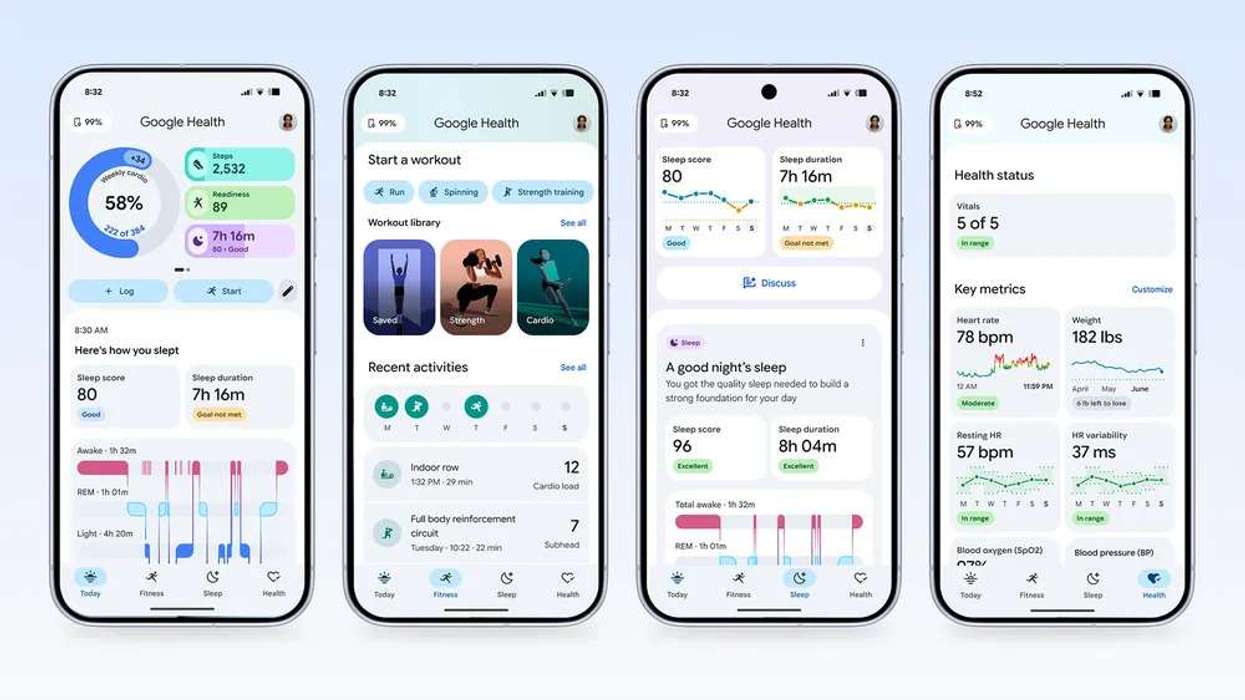 Personal health data from multiple sources appears in one dashboardGoogle Health
One of the biggest changes in the new Google Health app is that your medical records will now live alongside your fitness and wellness data.
The app pulls in information from wearable devices, Health Connect, Apple Health and your personal medical records, all in one place.
If you are in the US, you can connect your medical records directly to the app. Once that is done, you can ask the AI coach to break down or explain your medical information in plain language.
This turns what can often be confusing health documents into something you can actually understand and use, which is a big step forward for anyone trying to get a clearer picture of their health.
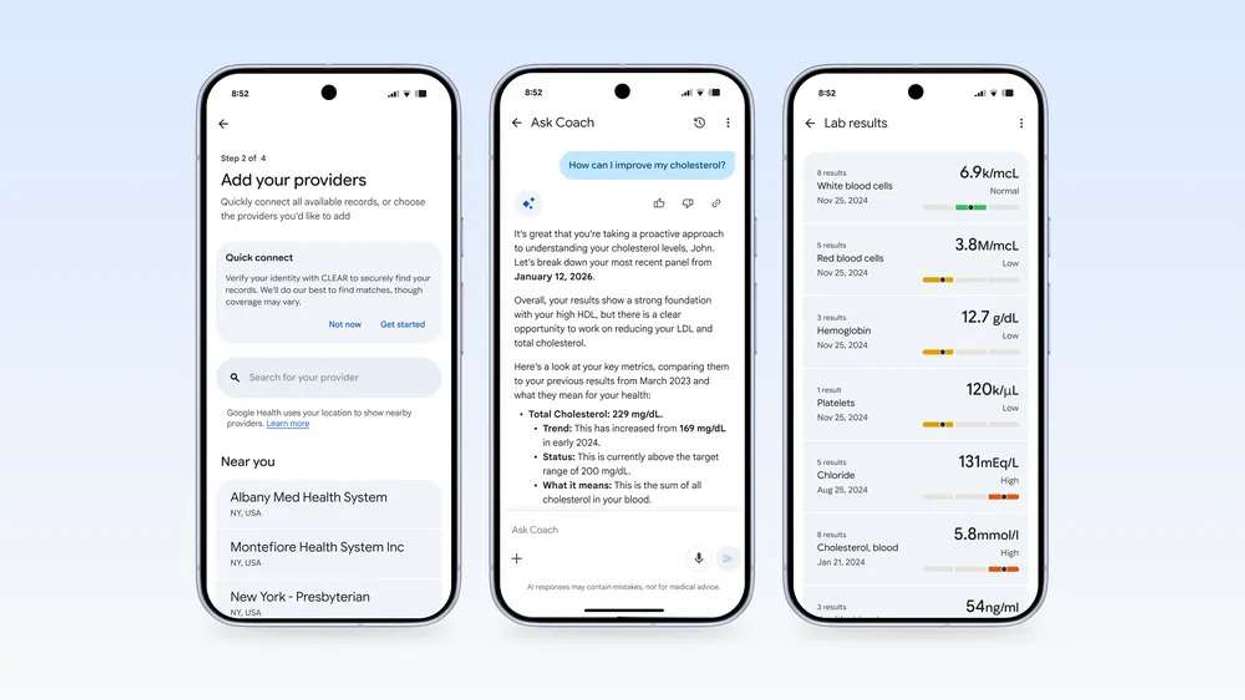 AI Health Coach offering personalised guidance for daily wellness routinesGoogle Health
Google Health Coach goes live for everyone on 19 May and is the biggest change that comes with the move from Fitbit to Google Health.
It is built on Google's Gemini AI and works as a fitness trainer, sleep coach and wellness guide all in one app. When you start using it, you have a short conversation where you tell the coach about your goals, daily routine, any injuries and how you live your life.
The coach uses all of that to give you advice that fits you personally and changes as your life does.
You can update your goals whenever you want and the coach will adjust straight away. You can also tap Ask Coach at any time if you want guidance without waiting.
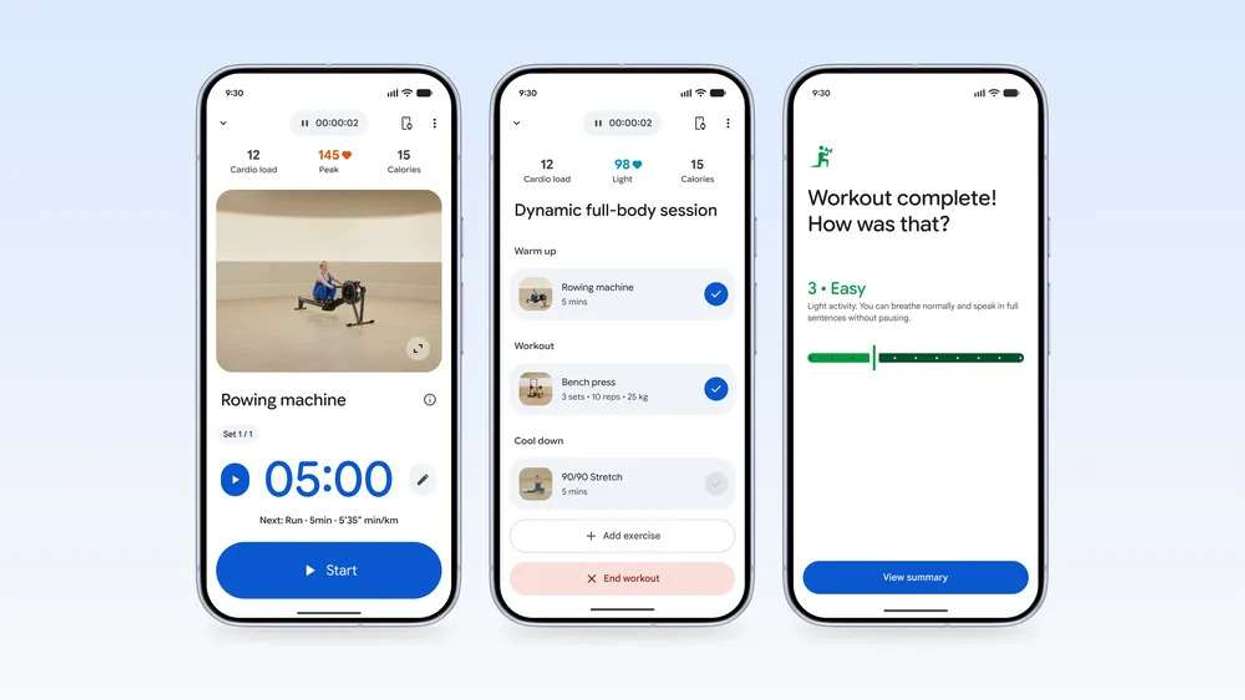 Health data can be securely shared with doctors and family membersGoogle Health
The new Google Health app will let users share their health data safely with friends, family and doctors straight from the app.
This is something the old Fitbit app never really offered. Fitbit was mainly built for personal tracking and there was no easy way to bring your doctor into the picture.
Being able to show a doctor your sleep patterns, fitness levels, heart data and medical records before an appointment could make those visits much more useful.
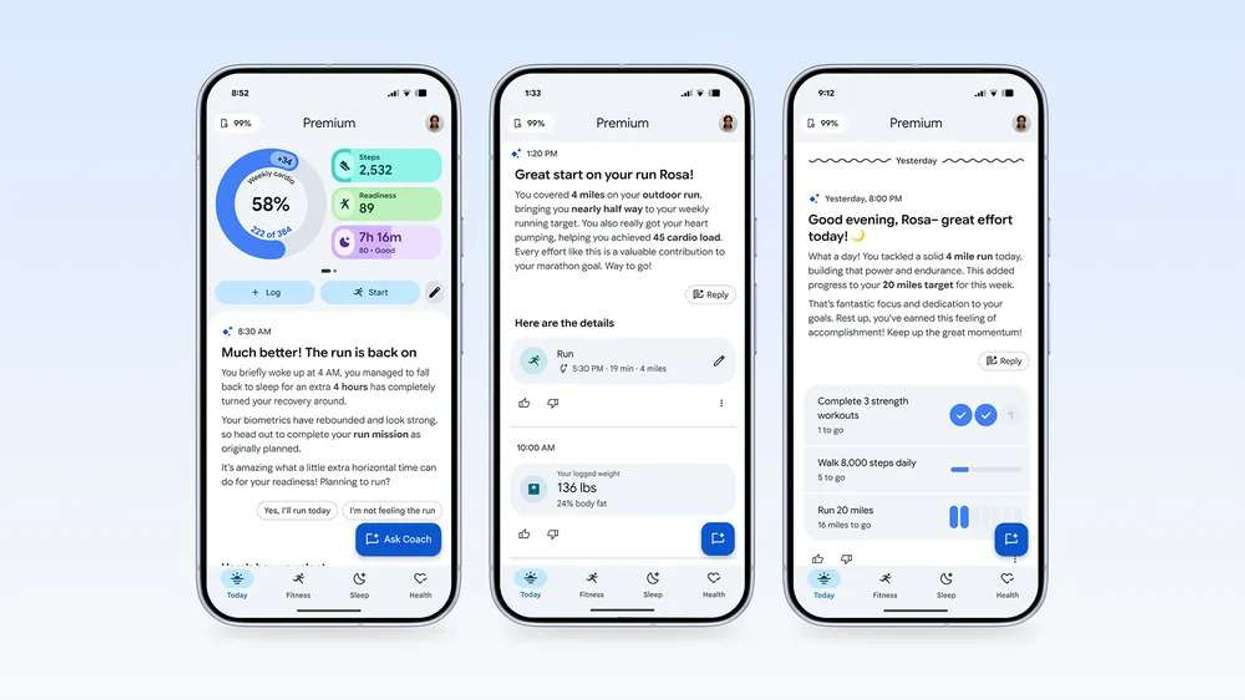 Advanced AI features unlocked through optional Google Health Premium subscriptionGoogle Health
The new Google Health app will offer some advanced features through a paid plan called Google Health Premium.
Things like AI coaching and more detailed health advice will be part of a subscription starting at $9.99 per month. This shows a shift from free fitness tracking to paid, advanced health services.
