
Welcome to the forefront of conversational AI as we explore the fascinating world of AI chatbots in our dedicated blog series. Discover the latest advancements, applications, and strategies that propel the evolution of chatbot technology. From enhancing customer interactions to streamlining business processes, these articles delve into the innovative ways artificial intelligence is shaping the landscape of automated conversational agents. Whether you’re a business owner, developer, or simply intrigued by the future of interactive technology, join us on this journey to unravel the transformative power and endless possibilities of AI chatbots.
How to Choose the Best AI Agent Development Company for Businesses
25+ Disruptive AI Agent Business Ideas You Should Launch in 2026
How to Hire the Best AI Developer for Your Custom Project? Key Steps, Costs, and More
How to Build an AI App? Steps, Features, Costs, Trends
AI in Transportation: Benefits and Use Cases for Modern Enterprises
How to Build an Intelligent AI Model From Scratch: An Enterprise Guide
The Role of AI in the Oil and Gas Industry – 10 Use Cases, Benefits, Examples
AI in Real Estate: 16 Powerful Applications with Real Examples
AI in the Automotive Industry Transforms the Future of Business: Benefits and Use Cases
A leading digital platform to offer engaging shopping experience to users
A mobile app to digitalise & expand KFC’s digital footprint
An automated ETL & Power BI data platform driving efficiency growth and 4× compliance improvement.
A transforming ERP solution for the world’s largest furniture retailer
A refined UX strategy for Domino’s to increase their conversion rate by 23%
A SaaS-based financial literacy and smart money management platform for kids
How Much Does AI Development Cost 2026? A Complete Guide
Software Development Costs in 2026: Explore Factors, Hidden Budgets, and Range
How to Choose the Best Mobile App Development Company – Proven Tips
How Much Does It Cost to Build a Healthcare App?
Harnessing AI for Business Transformation: A Comprehensive Guide
How Much Does It Cost to Develop an App in 2026? A Detailed Guide
InventivAI by Appinventiv: A New Era of Enterprise AI Innovation
Appinventiv Achieves AWS Advanced Tier Partner Status and Triple Competency Recognition
The Economic Times Names Appinventiv “The Leader in AI Product Engineering & Digital Transformation”
Restaurant App Development: Benefits Of Online Food Ordering Services
Node.js vs PHP: Which is the Best Server Side Environment
Spark vs Hadoop: Which Big Data Framework Will Elevate Your Business?
10 Industry-Wise 5G Use Cases Transforming Australian Businesses
7 Telemedicine Trends Shaping the Future of Healthcare
Breaking the Digital Frontier with Mobile Apps for Agriculture
Key takeaways:
“Hyper-personalization in business is the need of the hour.”
You might ask ‘Why’ and ‘How’? Let’s be honest. Your customers are drowning in a sea of digital noise. Every day, they receive a volley of generic emails, irrelevant ads, and one-size-fits-all offers. These basic marketing methods miss the mark completely. Today, customers expect brands to predict their needs, engage with them in real-time, and recommend products/services that feel tailored to their lives.
This is the reason that the old playbook of mass marketing is actively alienating.
The battle for attention and loyalty today isn’t won by shouting the loudest. It’s won by whispering the most relevant message, directly to an audience of one. This is where hyper-personalization for business comes in.
Hyper-personalization goes far beyond traditional methods. It counts on artificial intelligence (AI), machine learning (ML), and big data analytics to deliver experiences that resonate on an individual level.
Why does it matter? Well, a McKinsey report reveals that 71% of consumers expect personalized interactions. What’s more? 76% of cosnumers get frustrated when this doesn’t happen.
It simply means that businesses that don’t embrace hyper-personalization risk losing touch with a significant portion of their customer base. On the other hand, brands that get it right witness improved customer loyalty and higher conversion rates.
In short, the gap between personalization done well and personalization done poorly keeps widening. Industry-specific hyper personalization approaches are delivering dramatically different results compared to one-size-fits-all strategies. A retail approach doesn’t work the same way in financial services. A healthcare strategy looks completely different from what an entertainment platform needs.
Here is what we are seeing across industries: organizations that invest in hyper-personalization for businesses frameworks are outperforming their peers. They’re converting more customers. They’re keeping customers longer. They’re increasing customer lifetime value. And yes, they are also improving their margins and operational efficiency in the process.
Let’s explore the industry-specific use cases and benefits of hyper-personalization for businesses. So, without further ado, let’s get started:
Businesses using hyper-personalization see improved conversion rates. Let Appinventiv help you achieve similar results.
The term “personalization” has been thrown around for years. And you might be wondering: isn’t yper-personalization just more personalization? Not exactly. Here’s the real difference.
Traditional personalization: Traditional personalization takes a broad approach. You segment your customers into groups of 5, 10, or 20 buckets based on their demographics or behavior. Everyone in that bucket gets the same message, the same offer, the same experience. It’s personalization, sure, but it’s personalization in bulk.
Hyper-Personalization: Hyper-personalization in business works at a completely different scale. Instead of treating 10,000 customers as one group, you treat every customer as an individual.
How it works?
You extract data from multiple sources like their browsing behavior, what they’ve bought, when they buy, how they interact with your brand, and even the time of day or the device they’re using. Then, in real-time, you use AI and ML in customer personalization to deliver an experience designed specifically for that one person.
AI-driven customer personalization evaluates behavioral signals across every touchpoint such as website clicks, purchase history, customer service interactions, loyalty program activity, social media engagement and so on. Machine learning algorithms spot patterns humans would miss. These systems predict what your customers want before you fully articulate it yourself.
A practical example? Imagine a customer visiting an eCommerce site. Generic personalization might show them “Popular items” based on their product category. Hyper-personalization for businesses would analyze that specific customer’s style preferences, price point history, measurement preference and recent searches, and what’s currently in their closet (if you have that data), then show them a curated selection of items that they will love to buy.
Hyper-personalization for businesses simply means understanding your customers so well that every interaction feels natural and connects with customers. And when you bring that level of relevance to scale, the impact on your business becomes lucrative and long-lasting. Still unsure how industry-specific hyper personalization can benefit your business? Well, let’s unpack the real-world advantages that companies are already experiencing.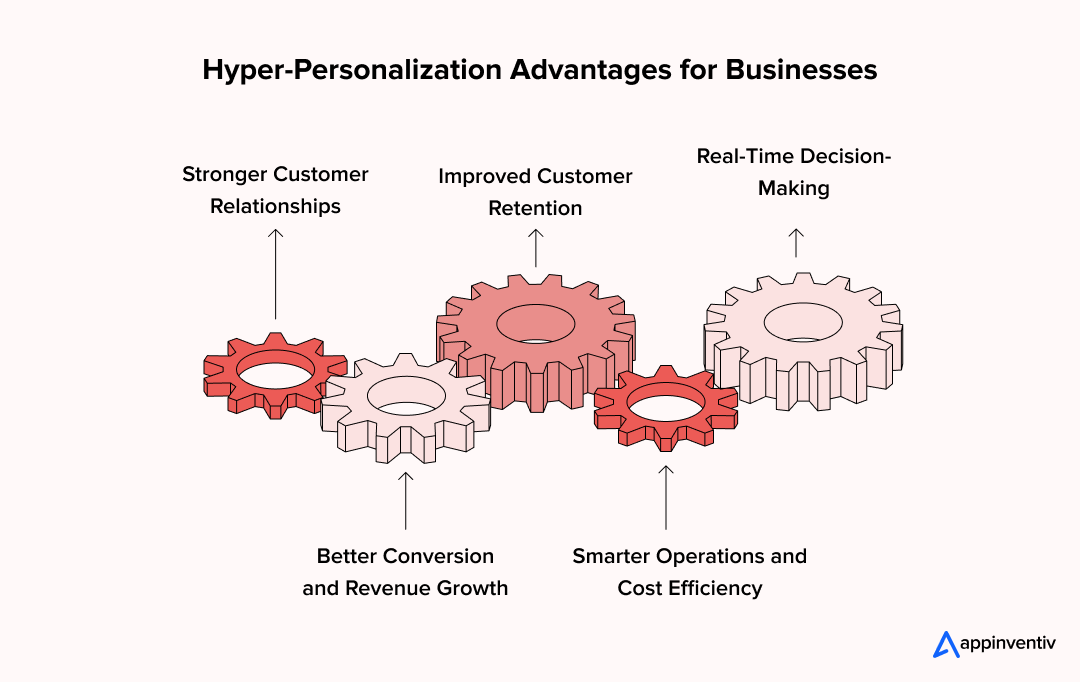
We all would have witnessed those moments when a brand seems to “get” us; whether it’s recommending the perfect product or sending a timely reminder that actually matters. That feeling isn’t accidental. It’s the result of systems trained to recognize subtle behavior patterns and respond instantly.
When customers feel understood, they stay. A recent report revealed that 80% of businesses using advanced personalization techniques report increased consumer spending. That’s the power of personalization that moves beyond marketing; it builds trust.
Personalized recommendations are no longer just “nice to have.” They drive tangible business growth. According to McKinsey, brands that personalize interactions across multiple touchpoints can increase revenue by 5–15% and conversion rates by up to 40%.
The reason is simple: when your customers see only what’s relevant, their decision-making gets easier. And easier decisions mean faster sales.
Customer retention is something that fuels sustainable growth. Hyper-personalization helps here by reducing customer fatigue. Instead of bombarding customers with generic offers, you reach them at the right moment with right message.
For example, Sephora’s AI-driven personalization platform tailors product suggestions based on user behavior and purchase patterns. The result? Consistent rise in repeat purchases and customer lifetime value.
While the customer experience is of utmost importance, there is an integral advantage that often goes unnoticed and i.e. efficiency. AI-driven personalization automates repetitive marketing tasks, prioritizes leads with better accuracy, and reduces resource wastage on campaigns that don’t convert.
This type of automation is of huge advantage for enterprises managing thousands of customers across different geographies. This level of efficiency can translate to millions saved annually.
The modern consumer moves fast. Their preferences change based on context: time, location, and even mood. This is where AI-driven customer personalization comes in. It empowers businesses to make decisions in real time. For instance, a retail app instantly shifts recommendations when it notices a user browsing “outdoor jackets” during a snow forecast.
Hyper-personalization is all about understanding your customers and delivering experiences that matter them the most. It has never been about just adding a customer’s name to an email. It is about making every interaction meaningful and relevant. Here is how different industries are using hyper-personalization to gain growth: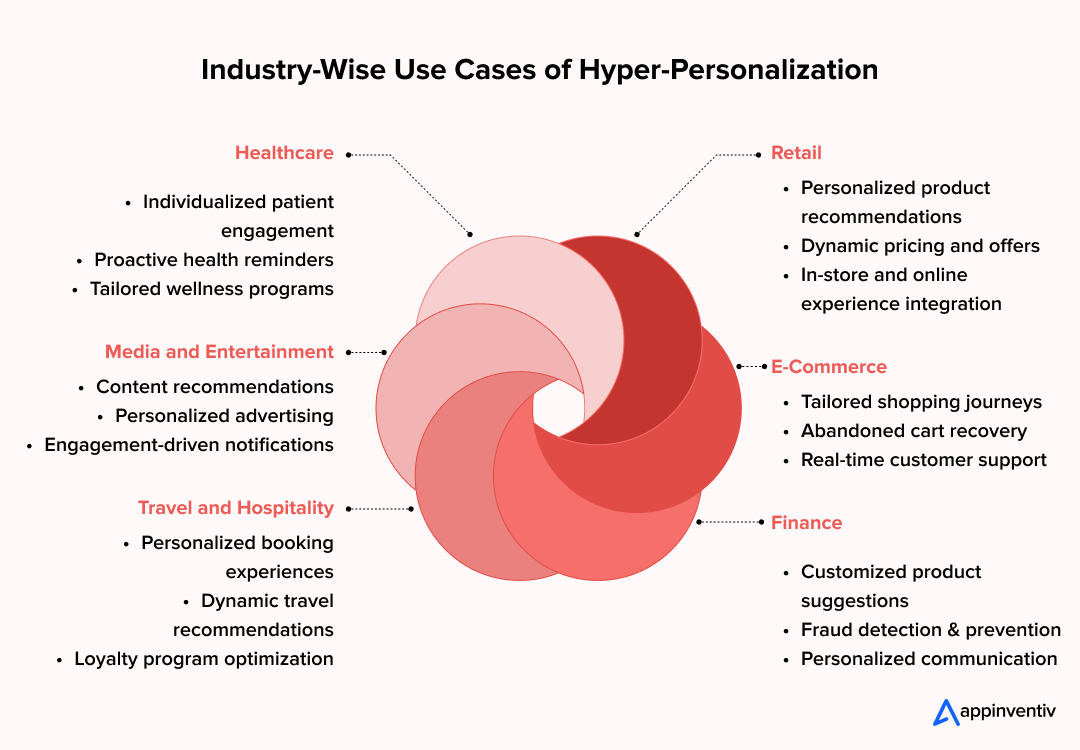
Hyper-personalization is transforming the way retail brands connect with customers. This helps them deliver a more relevant and seamless shopping experience.
Static pricing is becoming a thing of the past. When you adjust prices based on individual customer data, behavior, and willingness to pay, revenue optimizes itself. A customer hesitating on an item gets a targeted discount. High-value customers see premium positioning. Your margin improves while customers feel treated fairly.
Customers now interact with brands across multiple channels: online, in-store, or mobile. Thus, delivering a consistent, personalized experience across all touchpoints is crucial. Unified personalization means that product recommendations, promotions, and customer treatment stay consistent across platforms.
Cart abandonment is a common issue in e-commerce. With hyper-personalization, businesses can re-engage customers by sending reminders or offering personalized deals to encourage them to complete their purchases, reducing abandonment rates and increasing conversions.
Hyper-personalization in banking and finance uses data-driven insights to offer services that meet each customer’s unique financial needs.
Banks now use AI to recommend personalized products, whether it’s a loan, savings account, or credit card, based on the customer’s financial behavior and goals. This helps customers make right decisions and find the solutions they need without unnecessary complexity.
By tracking spending behavior, AI in banking and finance can identify suspicious activity and flag potential fraud in real-time. This gives users that their investments are safe.
Moving away from generic messaging, financial institutions are now sending communications tailored to individual accounts. Whether it’s reminders, tips, or relevant product offers, personalized communication has become a critical part of customer engagement.
For example, we developed Mudra, a budget management platform that uses AI to deliver personalized investment insights based on users’ spending patterns.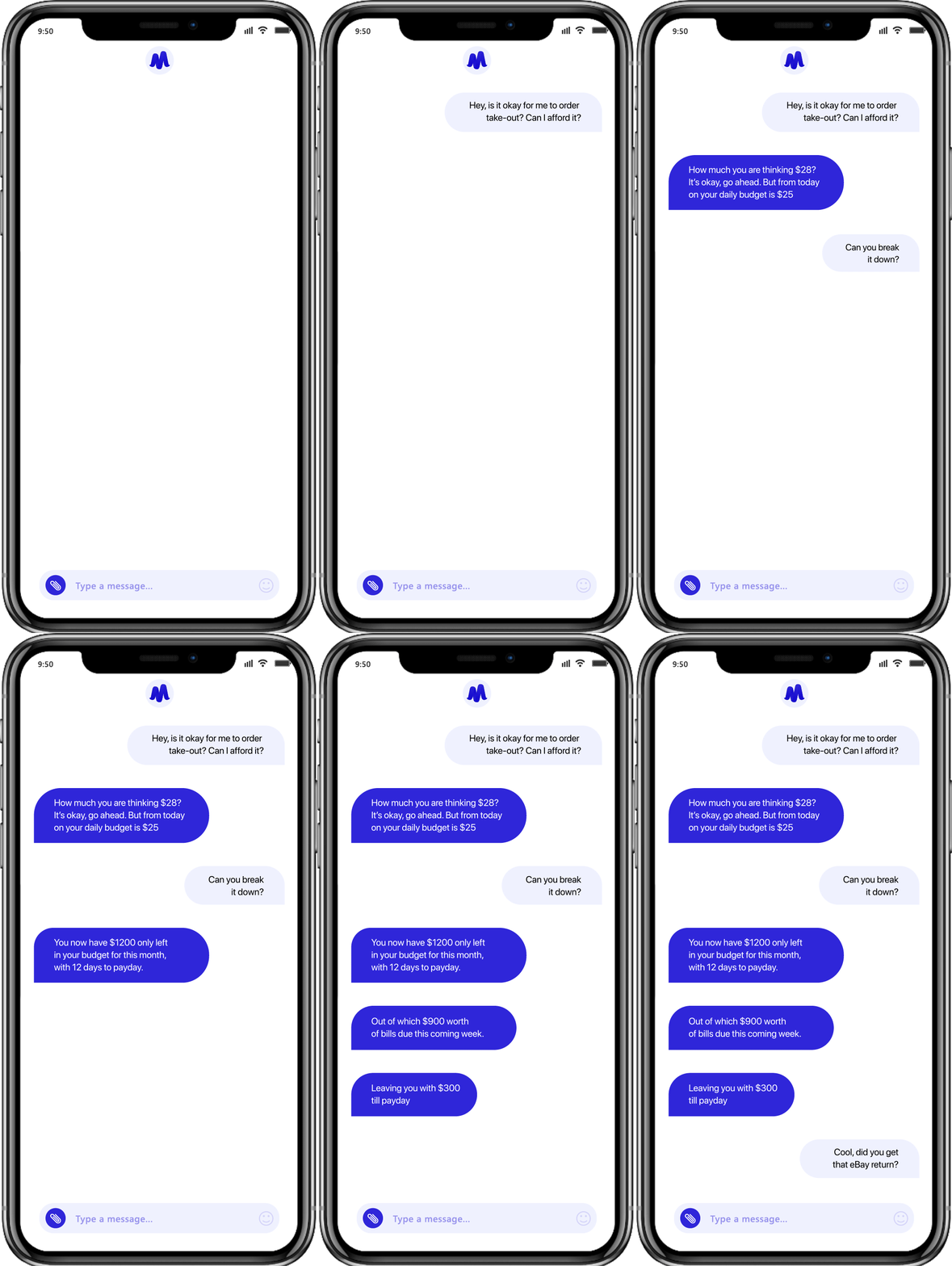
Hyper-personalization in healthcare is enhancing patient care. How? This hyper personalized approach gives care to patients that is individualized, timely, and more engaging.
Healthcare providers leverage vast troves of data and create personalized treatment plans. They tailor advice and interventions based on individual medical histories and preferences. These plans are more relevant and effective, which leads to better outcomes.
Proactive reminders, such as medication notifications or scheduled check-ups, can help keep patients on track with their health goals, ensuring they stay engaged with their treatment plan.
Healthcare is shifting focus from merely treating illness to promoting overall wellness. Personalization allows healthcare providers to offer customized wellness programs that address a patient’s specific needs, whether that’s fitness, diet, or stress management.
At Appinventiv, we developed DiabeticU, a diabetes management application. The platform uses AI to deliver personalized wellness recommendations, prescription tracking, remote doctor consultations, and meal plan customization. The results? Patients can track their health and have full control of their wellbeing.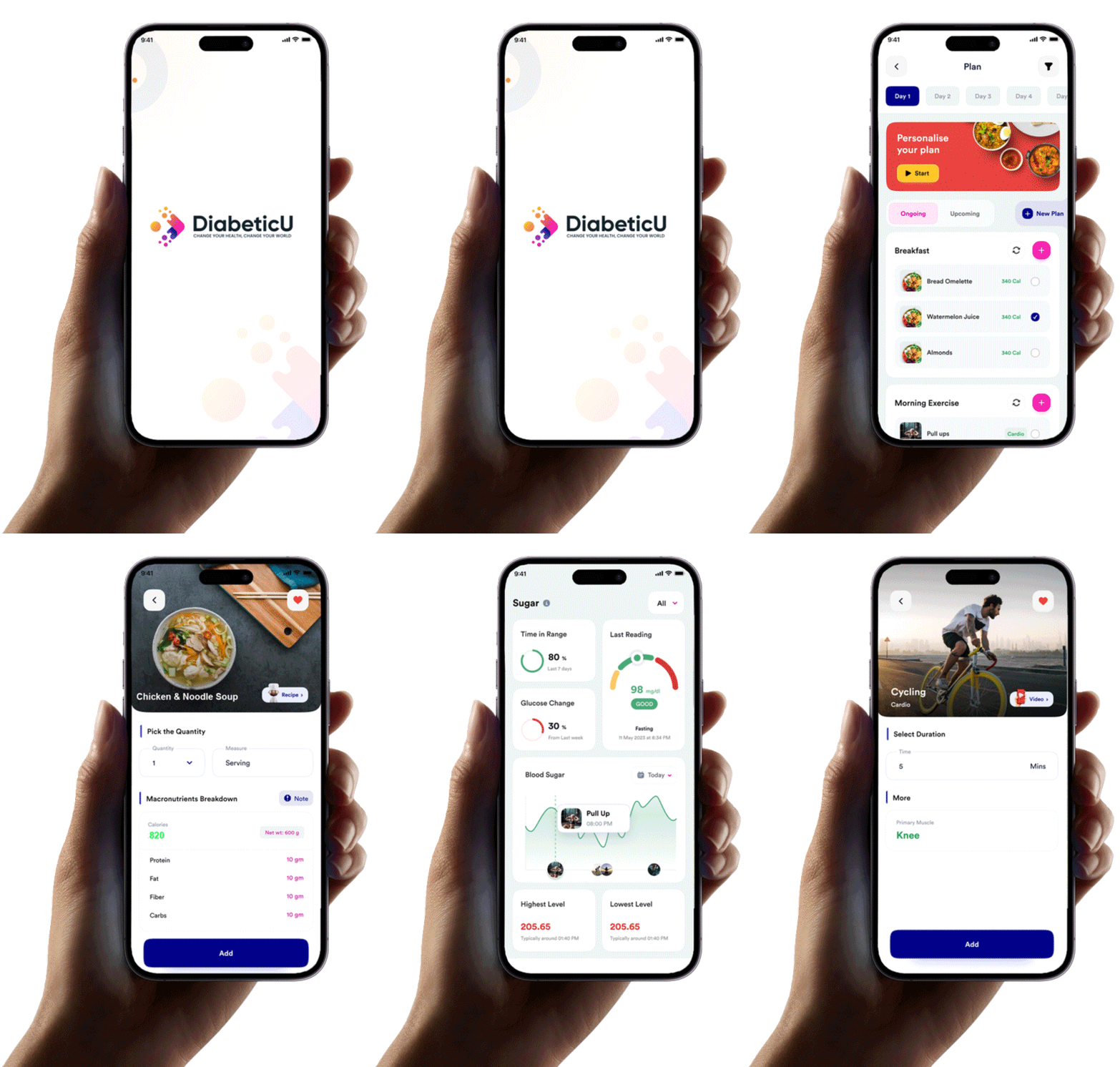
Hyper-personalization in travel and hospitality helps brands deliver exceptional, customized experiences, making the journey smoother and more enjoyable for customers.
By analyzing past behavior, travel platforms and hotels can suggest destinations, accommodations, and activities tailored to the customer’s preferences. This personal touch makes booking travel both easier and more enjoyable.
Based on real-time data, hyper-personalization allows travel brands to make immediate suggestions for new destinations or the best time to travel, keeping the customer experience fresh and relevant.
With hyper-personalization, businesses can refine loyalty programs to offer benefits that are truly relevant to the customer. Instead of generic points or rewards, customers receive tailored incentives based on their specific travel habits, driving deeper loyalty.
For instance, in the Flynas airline app, we developed AI powered chatbot that offer personalized flight recommendations based on travelers’ past bookings. This helps brand create a more intuitive and tailored travel experience.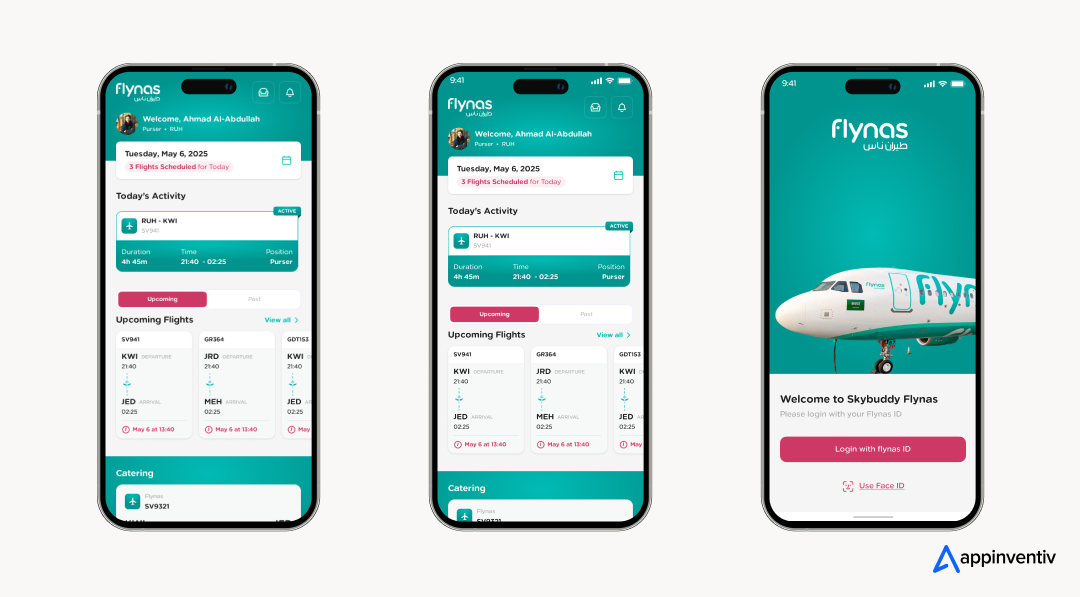
The media and entertainment sectors have long focused on delivering engaging content, but hyper-personalization takes it a step further. This strategy ensures the content you see is exactly what you want to watch or listen to.
Platforms like Netflix and Spotify use past behavior of their viewers to recommend movies, shows, or songs. The more personalized the content, the higher the user engagement.
Ads are much more effective when they align with a customer’s preferences. Hyper-personalization ensures that the ads customers see are relevant to their behavior, improving engagement and return on investment.
Personalized push notifications, such as alerts about new episodes of favorite shows or new music from preferred artists keep users coming back for more.
When we talk about types of hyper-personalization strategies, we mean different ways to understand your customer and deliver something meaningful to them. Each approach works differently depending on what you’re trying to accomplish and what data you actually have access to. Below are key strategies employed across industries: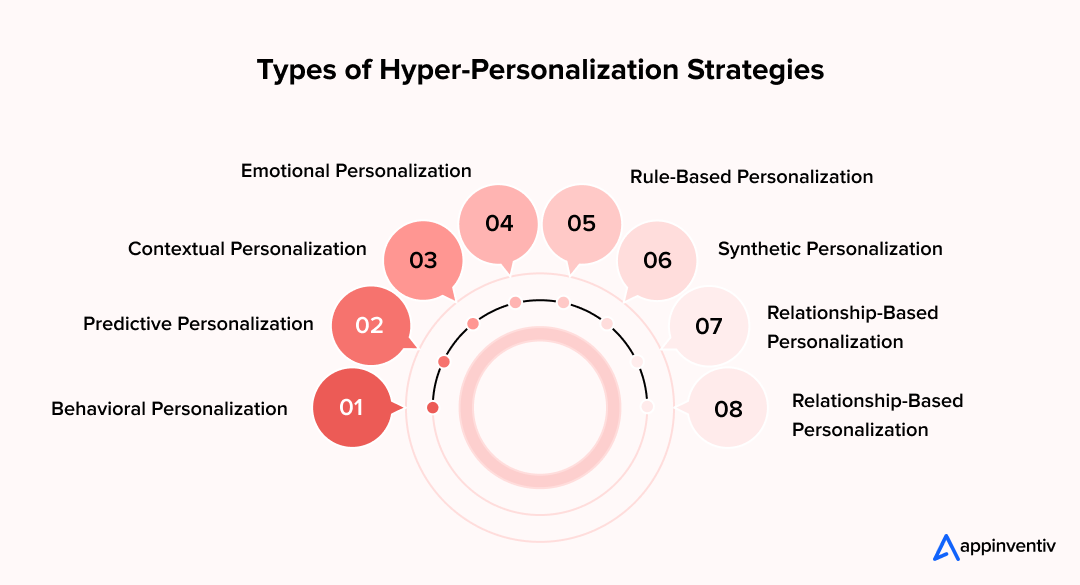
The simplest one to understand is behavioral personalization. You’re watching what customers do. Where they click. What they buy. How long they stay on certain pages. How they move through your site or app. You’re building a picture of their actual preferences based on their actions, not what they tell you.
Here’s why this matters. Your users don’t always know what they want or they’re not great at articulating it. But their behavior tells you everything. Someone who keeps coming back to browse jackets in neutral colors? That’s a signal. Someone who abandons your site when they see shipping costs? That’s a signal too.
An e-commerce site using this approach watches your browsing. They notice you gravitate toward minimalist design, you typically look at products in the $50-100 range, you browse on Sunday mornings, and you almost never click on sale items. That information shapes every product they show you next time.
Here’s where it gets more sophisticated. Instead of just reacting to what someone’s done in the past, you try to predict what they’ll want next. You’re looking at patterns, both individual patterns and patterns across thousands of similar customers, and make an informed bet about what that person will probably engage with.
A streaming platform does this. They’re not just saying, “you watched comedies; they say, here are more comedies.” They’re analyzing your entire watch pattern. When you watch. How long you watch.
They’re seeing that you watch heavy dramas midweek but prefer lighter stuff on weekends. They’re noticing you haven’t watched anything in three days when you usually do. So they recommend something they think will pull you back in.
The accuracy improves over time because the system learns what actually worked. Did the recommendation get watched? How far did the user get? That feedback loop makes the predictions smarter.
Sometimes what matters most is the context the customer is in right now. Not their history. Not their preferences. Where are they? What time is it? What device are they using? What’s the weather like? Are they rushing or do they have time?
Contextual personalization pays attention to that stuff. A clothing retailer’s app knows you’re near one of their stores on a Saturday afternoon during warm weather. That’s context. They’re not going to show you winter coats. They’re showing you lightweight stuff appropriate for right now.
A restaurant app knows it’s 6 PM on a weeknight. You typically order takeout around this time. They highlight quick orders and popular items instead of elaborate tasting menus.
This one’s trickier, but it’s becoming more common. The idea is understanding not just what someone wants but how they’re feeling. Are they energized or tired? Stressed or calm? Looking for inspiration or looking for comfort?
A fitness app trying to get you to work out reads your emotional state. If you’ve been doing intense workouts three days running and your activity shows you’re slowing down, the app might suggest something lower-key instead of pushing you harder. It’s recognizing you’re probably fatigued and emotional state matters.
Sometimes you don’t need AI to figure out personalization. You just need good rules. You segment customers into groups based on factors like their age, where they live, their purchase history, and apply clear rules about what they see.
A retailer might have a rule: “If a customer is female, aged 25-40, and has purchased athletic wear in the last 90 days, show them workout accessories.” That’s rule-based personalization. It’s predictable. It works and it’s simple to manage.
This approach recognizes that sometimes the magic isn’t in complex algorithms. It’s in feeling personally acknowledged. You get an email that addresses you by name. It references something you’ve done on the website before. It thanks you for your previous purchase and follows up on that specific item.
You might wonder is the company running sophisticated AI on millions of data points? Not necessarily. They’re just using basic information in a personalized way. You’re not getting a generic newsletter. You’re getting something that acknowledges you specifically.
A marketing email that says “Hey John, we noticed you looked at running shoes last week” feels more personal than “Check out our latest inventory,” even though the technology behind it is fairly basic.
The last approach is about building actual relationship language into how the brand communicates. They use conversational, friendly language. They acknowledge your loyalty. They treat you like someone they know rather than a transaction.
A skincare company does this when its ads and emails don’t sound corporate. They sound like a friend giving advice. “We know you have sensitive skin based on what you’ve told us. Here’s what we’d genuinely recommend.” It’s warm without being fake. It creates a feeling of connection.
The key difference from synthetic personalization is this it isn’t just about using your name. It’s about the entire tone and approach, feeling like a genuine relationship.
Conversational AI, such as chatbots and virtual assistants, takes hyper-personalization to the next level by offering real-time, context-aware support. These AI agents remember past conversations, understand user intent, and proactively provide tailored recommendations or assistance, much like a knowledgeable human rep.
For example, a banking chatbot can greet returning customers by name, recall their recent transactions, and offer relevant financial advice. In retail, AI-powered assistants can guide shoppers through product selection based on their unique preferences and purchase history, making every interaction feel seamless and personal.
The result? Faster support, higher engagement, and a customer experience that feels truly one-to-one.
Each of these hyper-personalization examples by industry can be mixed together. The strategy you lean on most heavily depends on what you’re selling, what data you have access to, and what actually matters to your customers in your specific context.
Implementing hyper-personalization in business is not just about using the latest tech; it’s about connecting with your customers in a way that feels natural and meaningful. It requires a smart, well-thought-out approach. If you are not sure how to do it right that can yield real results, here are the steps you can take to make it happen.
Data is the real asset for hyper enterprise hyper-personalization strategy. Why? You need to understand your customer. And that means analyzing tons of data. However, it’s not just about gathering everything you find. It’s about getting the right data. Here’s what you’ll need:
The key isn’t collecting everything. It’s getting the right information. Once you have this picture, real patterns emerge that make personalization possible.
You can’t do real-time personalization with basic systems. Here’s where AI tech stack and machine learning come into play. Machine learning and AI analyze massive customer data patterns fast. They help
Your customers don’t just interact with you through one channel. Your customers interact across channels. They browse on mobile, research online, buy in-store. To truly integrate hyper-personalization, see the complete journey. One unified profile shows their browsing history, purchases, customer service interactions, what promotions converted them, communication preferences, everything together.
This changes everything. You’re making informed decisions on complete information, not assumptions.
While hyper-personalization is about individual experiences, we can’t overlook the importance of segmentation. The beauty of personalization at scale for enterprises is in targeted segmentation. By categorizing your customers based on shared behaviors, interests, and needs, you can ensure you’re giving the right message to the right person.
For example:
Customers expect personalization in real time. That means when a customer interacts with your brand, they expect the content and offers to adjust immediately, based on their behavior.
Someone browses winter boots? Show related products when they return. Someone spent time on a specific service? Highlight related options next visit. Someone abandoned their cart? Acknowledge it within hours.
Real-time means responsive. It means recent actions inform what they see next.
Data breaches are the worst nightmare for anyone. According to Statista, around 94 million data records were leaked in the second quarter of 2025, nearly 94 million data records were leaked in data breaches. This impacted millions of individuals worldwide.
So, with data breaches are on the constant rise, it is integral for you to be transparent about what you collect and why. Get genuine consent. Secure data seriously; a breach destroys trust. Respect boundaries too. One relevant recommendation feels helpful. Five notifications feel like harassment.
Implementing hyper-personalization in your business isn’t one-time work. Run A/B tests. Try different approaches with different groups. Listen to customer feedback. Measure real impact: conversion rates, customer lifetime value, satisfaction scores, retention.
Companies nailing enterprise hyper-personalization strategy constantly tweak and test. They abandon what doesn’t work. That’s how you make this actually work at scale.
While the benefits of hyper-personalization are numerous, we can’t overlook its challenges. Here are some key obstacles businesses often encounter and strategies to overcome them:
Handling customer data responsibly is crucial. Hyper-personalization involves collecting a lot of personal data. So, protecting these data and complying with data privacy regulations like GDPR and CCPA is essential.
Solution:
One of the biggest challenges in hyper-personalization is fragmented data. Information stored in separate systems that don’t communicate with each other. These data silos prevent you from seeing a complete picture of your customer.
Solution:
Customers expect a seamless experience, no matter where they engage with your brand. Whether it’s online, in-store, or through mobile apps, integration across channels is key.
Solution:
Make sure your technology connects everything, so your personalization strategy works consistently across all customer touchpoints.
Many businesses are hindered by outdated systems that are incompatible with modern personalization technologies. Legacy infrastructure can make it difficult to integrate new tools and processes for hyper-personalization.
Solution:
As we look to the future, it’s clear that hyper-personalization is only going to become more integral to how businesses engage with their customers. The technology driving it is evolving rapidly, and businesses that keep pace with these tech trends will gain significant advantages. Let’s take a look at what’s on the horizon.
AI and ML already power personalization. But they are poised to get significantly better. Systems will predict customer behavior with accuracy that seems uncanny. Real-time insights will become instantaneous. What changes?
Deeper Insights: You’ll stop seeing what customers want. You’ll understand why they want it. That’s the difference between okay personalization and exceptional personalization. Understanding motivation means your recommendations hit differently.
Predictive Personalization: Predictive capability shifts from reactive to anticipatory. Right now, you’re responding to actions customers have taken. Soon, you will offer exactly what they need before they realize they need it. That’s powerful.
Alongside AI, other emerging technologies like 5G, Internet of Things (IoT), Gen AI and augmented reality (AR) will reshape hyper-personalization.
The future of search is visual and voice-driven. We’re already seeing the rise of voice search and visual search but these technologies will become the new norm in the coming years. Voice assistants and visual search are becoming how users actually find things. Businesses ignoring this miss a significant interaction channel.
Voice search allows customers to ask questions naturally. Visual search works differently. Customer sees something they like, takes a photo, and searches for similar items.
When combined with personalization, results reflect their demonstrated preferences, past purchases, and budget patterns. It’s discovery powered by their actual interests.
This is where many businesses get it wrong. They think privacy and personalization conflict. They don’t. They’re complementary when executed correctly.
Customers want personalization. They also want control over their data. Businesses that give them both win. Transparency about what data you collect, why you collect it, and how you use it builds trust. So, in future, customers will have more control over the data they share. That control becomes a competitive advantage because customers willingly share more with brands they trust.
Your data infrastructure will need real security. Not adequate security; exceptional security. Breaches destroy personalization trust immediately. If customers think you’ll lose their data, no amount of personalized recommendations brings them back.
The future isn’t less data. It’s smarter data combined with genuine respect for privacy.
Implementing a world-class enterprise hyper-personalization strategy is complex. It requires a rare blend of strategic vision, deep data analytic capabilities and AI development expertise. That’s where we come in.
At Appinventiv, our team of 1600+ tech experts doesn’t just build software; they architect the data-driven ecosystems that power next-generation customer experiences. With over 200+ data scientists & AI engineers onboard, we specialize in delivering secure AI services & solutions that scale with your needs.
Our Credentials Speak for Themselves:
Want AI consultation to build right data strategy? Wishing to build a custom AI model? Looking to upgrade your legacy systems with AI? No matter what your project vision is, our end-to-end AI services can help you implement hyper-personalization in your business.
Partner with us today and unlock new levels of customer loyalty and drive unprecedented growth.
Q. What is hyper-personalization in business?
A. Hyper personalization in business means using advanced technologies like AI and real-time data to treat every customer like an individual.
It moves way beyond broad segments (like “moms in the Midwest”) to create unique, 1:1 experiences that anticipate what a specific customer needs in a specific moment.
Q. How can hyper-personalization improve business performance?
A. It’s a direct driver of your most important metrics. By being incredibly relevant, you increase engagement, which leads directly to higher conversion rates and larger order values. More importantly, it builds deep, sticky loyalty, which reduces customer churn and dramatically increases long-term customer value (CLV).
Q. Why is hyper-personalization important for modern enterprises?
A. Hyper-personalization is important for modern enterprises because customer expectations have fundamentally changed. They are tired of generic, one-size-fits-all marketing. Now, they expect brands to understand their individual needs and respect their time.
If you can’t deliver that personal touch, your customers will find a competitor who can. It’s become a matter of survival and growth.
Q. What technologies enable hyper-personalization (AI, ML, CDPs, analytics)?
A. Technologies that enable hyper-personalization are more likely a four-part engine.
Q. What industries benefit most from hyper-personalization?
A. Honestly, any business with a direct relationship with its customers can benefit massively. However, industries that can benefit the most from hyper-personalization are:
Q. How can data privacy be maintained with hyper-personalization?
A. The key to maintain data privacy through hyper personalization lies in a transparent value exchange. You must be crystal clear with customers about what data you’re collecting and how you’re using it to make their experience better.
Give them easy-to-use controls over their data and always adhere strictly to regulations like GDPR. Trust is earned when customers feel they are in control and are getting real, tangible value in return.
Chirag Bhardwaj is a technology specialist with over 10 years of expertise in transformative fields like AI, ML, Blockchain, AR/VR, and the Metaverse. His deep knowledge in crafting scalable enterprise-grade solutions has positioned him as a pivotal leader at Appinventiv, where he directly drives innovation across these key verticals. Chirag’s hands-on experience in developing cutting-edge AI-driven solutions for diverse industries has made him a trusted advisor to C-suite executives, enabling businesses to align their digital transformation efforts with technological advancements and evolving market needs.
How Much Does It Cost to Build a Conversational AI Chatbot in the UAE?
Key Takeaways AI chatbot development in the UAE typically costs AED 150,000–1,470,000 ($40K–$400K), based on complexity. Backend integration and compliance drive cost more than the chatbot interface itself. Arabic NLP, UAE hosting, and PDPL requirements increase budget and engineering effort. LLM + RAG enterprise chatbots sit at the higher end due to integration and infrastructure…
AI Inventory Management in Australia: Benefits, Use Cases, and Implementation Strategies
Key takeaways: Traditional ERP planning reacts to history; AI predicts demand shifts, reallocates stock dynamically, and prevents costly stockouts across distributed Australian networks. AI in inventory management in Australia typically reduces inventory levels 20–40% while maintaining service targets, unlocking significant working capital across multi-state operations. Enterprise implementations usually range from AUD 70,000 to AUD 700,000+,…
How to Hire RAG Architects for Enterprise AI
Key takeaways: Define your RAG architecture scope to avoid misaligned hiring decisions Identify end-to-end architectural ownership across retrieval, governance, and scaling Evaluate deep technical capabilities beyond prompt engineering and tools Validate governance and compliance readiness at the retrieval layer Test system-level thinking through real-world failure scenarios Choose the right hiring model based on scale, risk,…
Digital product consulting, development, and engineering company.
B-25, Sector 58, Noida –
201301,
Delhi-NCR, India
79 Madison Ave,
Manhattan,
NY 10001, USA
96 Cleveland Street,
Stones Corner,
QLD 4120
3rd Floor, 86-90
Paul Street EC2A 4NE
London, UK
Meydan Grand Stand,
6th floor, Meydan road,
Nad AI Sheba, Dubai
Suite 3810, Bankers Hall
West,
888 – 3rd Street Sw,
Calgary Alberta
Appinventiv is the Registered Name of Appinventiv Technologies Pvt. Ltd., a mobile app development company situated in Noida, U.P. India at the street address – B- 25, Sector 58, Noida, U.P. 201301.
All the personal information that you submit on the website – (Name, Email, Phone and Project Details) will not be sold, shared or rented to others. Our sales team or the team of mobile app developers only use this information to send updates about our company and projects or contact you if requested or find it necessary. You may opt out of receiving our communication by dropping us an email on – info@appinventiv.com
1600+ transformation engineers delivered
3000+ game-changing products.
We chose Appinventiv to build our financial literacy and money management app from start to finish. From the first call, we were very impressed with Appinventiv’s professionalism, expertise, and commitment to delivering top-notch results.
It has been a pleasure working with Appinventiv. The team is not only extremely versatile and competent but also very professional, courteous, and responsive. We certainly plan to continue working with Appinventiv for an indefinite period.
We took a big leap of faith with Appinventiv who helped us translate our vision into reality with the perfectly comprehensive Edamama eCommerce solution. We are counting to get Edamama to launch on time and within budget, while rolling out the next phase of the platform with Appinventiv.
I just want to take a moment to thank the entire Appinventiv team for your incredible support. We truly appreciate everything you’ve done, and we’re excited to continue working together as we grow here at KODAAfter researching numerous companies, we finally found Appinventiv, and it was the best decision we could have made. They successfully addressed the challenges with our existing app and provided solutions that exceeded our expectations.
We approached Appinventiv with a clear vision to build a robust and future-ready platform that could seamlessly integrate with the busy lifestyle of our customers while uplifting their overall experience and giving us a competitive edge.
Connect with our consultation experts to get:
Insights specific to your business needs
Roadmap to overcome your challenges
Opportunities to scale your business in this niche.